
**Our first in a series on neurodivergent kids in ballet. Thanks to Chelsea Weidmann for the contribution!
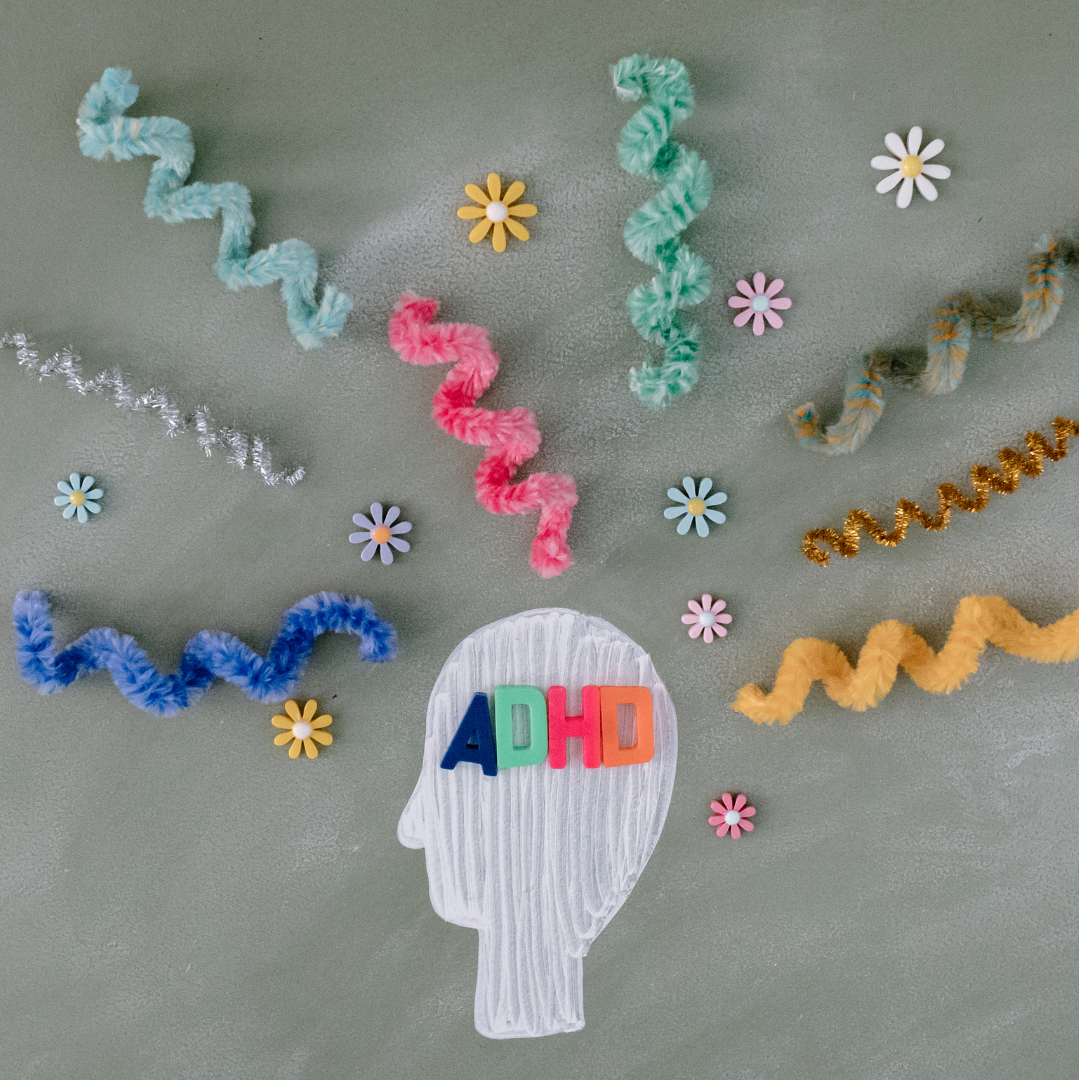
If your dancer has ADHD, that might have played a big part in why you signed them up for ballet in the first place. These dancers tend to be high energy and amazingly creative and when they were five years old you probably were so grateful to have an outlet for all that energy.
But now your dancer is older and the gifts of ADHD are starting to get buried underneath the structure and rules of ballet. Of course you want your child to benefit from structure, but there’s benefitting from structure and then there’s getting squashed by it. How do you help your child keep their joy and also craft a successful path in their ballet training?
About 5% of teens and kids are diagnosed with ADHD so in a class of 20 dancers, statistically there is probably one dancer with ADHD. Your dancer. It can be scary to ask for a change for just one dancer. You don’t want to gain a reputation for being “that parent”—you just want to help your child continue thriving in the art form that they love.
Fortunately, there are small changes that can make a big difference for students with ADHD. Depending on the age of your dancer, you may want to initiate the conversation with the teacher but it also may be better for your dancer to advocate for themselves. Sometimes dancers have spent years in ballet without a teacher noticing that they are working to manage ADHD alongside the regular class demands.
I’ve modeled some language to help start conversations as if you, the parent, were meeting with the teacher but your child could definitely change the words a bit and ask for support themselves—especially if they are older. Fidgeting, daydreaming, hyper-focus on one area, and needing a little extra support directing attention are all things that affect teens with ADHD.
“I wanted to let you know that Liam has ADHD. He loves being in your class but is a little worried that he fidgets to help him focus while he’s listening. He doesn’t want you to feel like he’s being disrespectful.”
I love this language because it starts to normalize fidgeting/not standing perfectly still. Everyone fidgets sometimes. You are recognizing and naming a behavior that could be easily misunderstood. Then you follow that with education about what purpose the behavior serves for your dancer. Plus, this phrase also reassures your teacher that they are loved, respected, and being listened to.
“This sometimes surprises people, but Valentina has ADHD. Most people don’t guess because her attention turns inwards and she sometimes daydreams when she’d rather be participating. If you notice her looking spacey, will you please help her redirect her attention? Small actions like moving into her line of sight or asking the pianist to vary the volume of their accompaniment have worked well for previous teachers.”
Inward-focused ADHD is much harder to spot because it really does look like a daydreaming kid. It is easy for a teacher to assume that the dancer doesn’t really want to be in class even though it’s completely untrue. By educating the teacher that your child is not intentionally disengaging, you are sidestepping a potential misunderstanding. This phrasing also gives the teacher go-to tools for when your dancer’s attention wanders.
“You probably noticed that Jamal notices everything. He’s concerned that he’s missing corrections because he’s paying attention to physical sensations so much that he’s not processing what you say. Could you try to say his name first and then give your correction? Some days he says he knows that you were giving him a tip but he didn’t shift his attention to your voice until you were mid-way through the correction and he feels embarrassed asking you to repeat yourself.”
People with ADHD really are noticing everything. Details that other people can tune out, like the music playing in the studio next door or the stray thread in their ballet slipper, demand attention in their brain. There’s a common saying in ballet class to “pretend every correction is for you” but that isn’t realistic for dancers with ADHD.
They absolutely can and will learn from corrections given to other dancers a lot of the time, but they will not always be focused on what the teacher is saying. There is just too much going on in the world to pay attention to the same thing for 90 minutes. Cueing them by saying their name first makes a big difference and is a teaching habit that will end up benefitting all students. Because let’s be real: no one is paying attention for 90 minutes. Everyone’s attention wanders sometimes.
“Mei really loves being in your class! I wanted to let you know that she has ADHD and if you ever need to get her attention, a gentle touch on the shoulder tends to work really well.”
Okay, obviously only say this if your dancer doesn’t mind touch. If they are okay with this, a gentle touch can be a great way to get a person with ADHD’s attention. Consent is so important in a ballet class—there is a good chance that your dancer’s teacher won’t touch them unexpectedly out of respect for your child’s autonomy and boundaries. So if this is a good support tool for your dancer, explicitly tell the teacher.
Dancers with ADHD enrich every studio they are in. It can be challenging to help them navigate the strict structure in ballet culture but our art is better when we work to help them find space to thrive. I’m excited for your dancer to have a great, growth-filled year!
Chelsea Weidmann is a ballet teacher and parent of a neurodivergent child. She is passionate about ensuring that ALL children have access to quality dance education. Learn more on her website.