
It’s time for the Ballet Help Desk Summer Intensive Boot Camp! Before we jump into all of the great content we’ll be publishing, let’s take a step back and talk about just exactly what a summer intensive is!
You’ve probably heard people throw around the term “SI.” I know when I first heard this, I sort of scratched my head. SI is short for summer intensive. Summer intensives are programs that run anywhere from two to six weeks during the summer, where dancers train all day. They are typically administered by company affiliated programs and unaffiliated conservatories, although smaller studios offer them as well.
Auditions Usually Required
For most company affiliated programs and conservatories, students must audition to be accepted. The bigger programs conduct national audition tours to recruit talent from across the country, as well as internationally. There are two ways to audition for a summer intensive. The first is to attend an in-person audition. The other way is to submit a video audition.
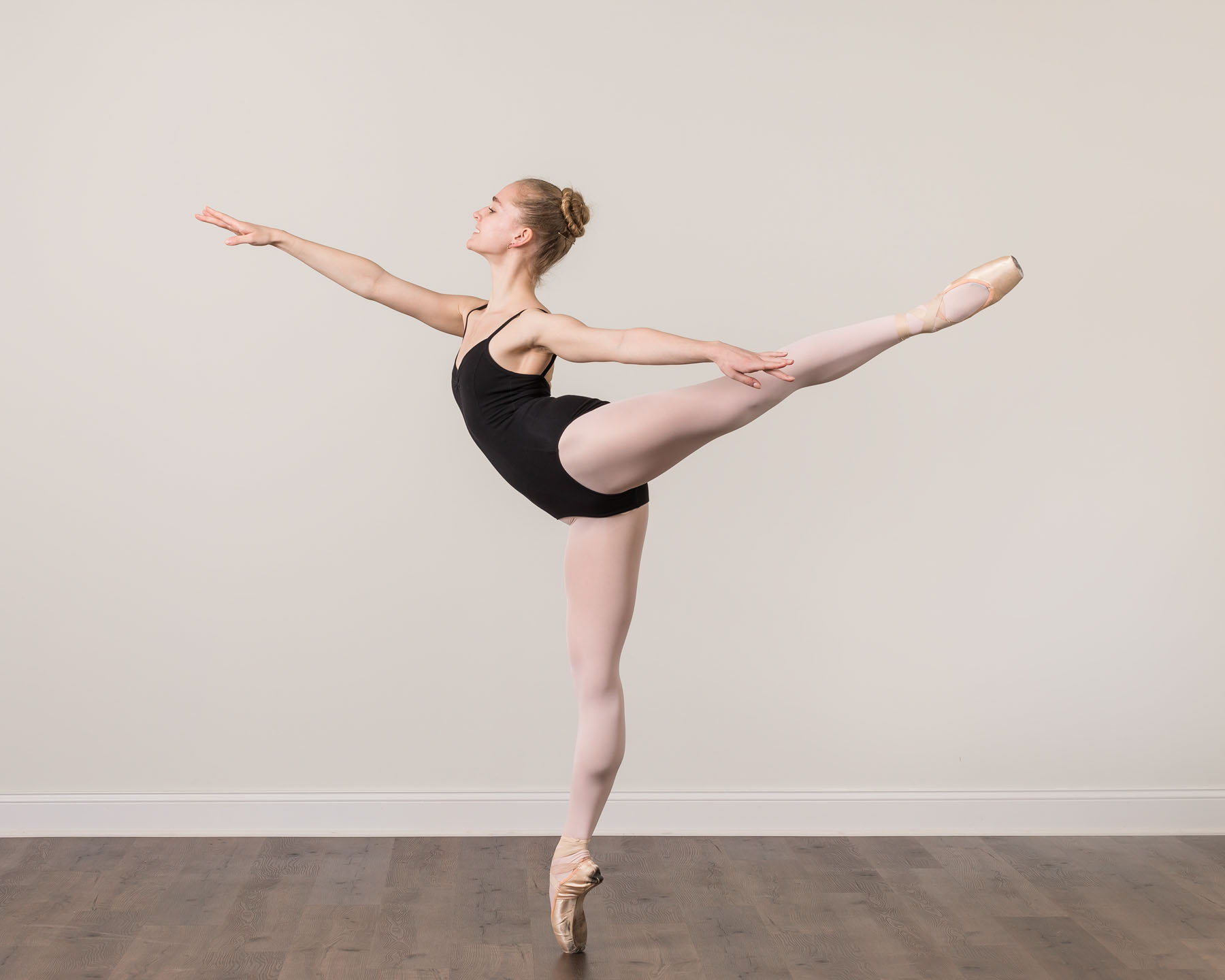
In-person auditions usually require pre-registration along with the submission of a few photos. The most common photos requested are a head-shot and a shot with your dancer in a first arabesque. They may be asked to upload these at registration or bring hard copies to the audition. Be sure to read and follow the directions laid out by each school for which your dancer is applying.
The other way to audition is by filming a video and submitting it to each summer program your dancer is interested in. Instructions for creating and submitting a video audition are also available on each program’s website. Here is an example from the Cincinnati Ballet’s website. In a future post and podcast episode we sit down with Emily Brunner, a professional dance photographer, to get her advice on how to shoot the best audition photos and videos.
Most Summer Intensives Start At Age 12
Summer intensives are usually open to dancers ages 12 and up. However, more and more schools are offering what is known as “young dancer programs.” These are usually for dancers ages 9-12. There are typically fewer dancing hours and it’s sometimes balanced with other activities like swimming, outings to a movie, etc. There are many excellent young dancer programs if this is something your family thinks would be appropriate for your child at that age.
During full summer intensives (those for ages 12 and up), dancers take three to four classes each day and are in the studios from around 9:00 a.m. to 3:00 or 4:00 p.m. Monday through Friday. Classes are often held on Saturdays, as well. So, it’s important that your dancer arrives at a summer program in good enough shape to handle the long days.
The end of a summer intensive may culminate with a parent observation class, a small demonstration of what was learned or a full performance. If your dancer is craving those performance opportunities, look for programs that offer this. Most program websites will state what the end of the program looks like. Houston Ballet is an example of one summer program that offers an end of session performance.
Are Summer Intensives Necessary?
You’re probably asking yourself why kids go to these intensives and whether or not they’re necessary. The short answer is that it depends. Ballet students go to summer intensives for a variety of reasons. Some are looking to improve their technique quickly. Others are looking for year-round placement at that school. For the younger dancers, it can be like summer camp. Kids who do sports may attend a summer basketball camp, for example, at a local university. Think of ballet summer intensives for younger kids as analogous to going to your local soccer or basketball camp.
Once your dancer gets to be about 14, going to summer programs is a good, and often necessary, idea. Not only will they get exposed to different teachers than they would during the year, they also get a sense of the talent out there. If your student wants a professional career, they always need to be looking to get on a bigger stage. Attending summer programs helps determine where they may fit in the ballet world.
In addition to U.S. summer programs, many European schools offer summer intensives. The ones in Europe tend to be shorter, which allows dancers to attend multiple programs during one summer. For example, a dancer could attend five weeks at SAB, the School of American Ballet, and then the last two weeks at the Royal Ballet School in London. Or, a dancer could attend multiple European programs in a single summer.
There are advantages and disadvantages to attending multiple programs in a summer and it’s often dependent on what your dancer’s goals are.
What To Expect From Our Summer Intensive Boot Camp
During our Summer Intensive Boot Camp Series, we’ll be providing you with tools for how to research all of the programs out there (hint: use our summer intensive reviews), spreadsheet templates for you to download so you can keep track of auditions, as well as articles that tackle all aspects of auditioning for and handling acceptances/rejections. We’ll also cover the importance of thinking strategically about summer intensives and what matters at certain ages.
Our Boot Camp will also feature several podcast episodes. The first two episodes in our series will feature conversations with us! We’ll go over what to expect during the summer intensive research process, audition strategies, and we’ll talk a lot about what younger dancers should look for vs what older dancers should look for.
After that, we’ll chat with Robert Fulton, the Co-Founder of Ballet Scout. He joins us to talk about how best to research summer intensives. And, as mentioned above, professional dance photographer, Emily Brunner, also sits down with us to walk us through tips and tricks for shooting audition photos and videos. We’ll also be releasing two interviews with adjudicators, those folks who actually run the auditions and make decisions about whom to admit.
In the first of our two interviews, Kelly Myernick, Principal Teacher with the Houston Ballet Academy talks to us about what she looks for in students, what she loves to see, the pros and cons of video auditions and more. Following on the heels of our interview with Kelly, we chat with Lauren Fadeley-Veyette, Principal of the Kansas City Ballet School. Lauren talks about how she likes to run an audition, how video auditions are viewed, the benefits of auditions like the National Summer Intensive Audition, where multiple schools see the same students, as well as how the school determines scholarships.
We’ll wrap things up by talking about how to handle acceptances and rejections as well as scholarships. Look for a podcast with a well-known ballet school and hear how they counsel their own students in terms of where they choose to go to get summer training. And, as a bonus, we’ll be doing a full recap of our summer intensive reviews as well as launching the first annual Ballet Help Desk Summer Intensive Awards! We hope you find all of this helpful and that it pulls back the curtain a bit on this crazy world.
As always, feel free to reach out to us with any questions you might have!